MAGAZINE SECTION
Training & Technique
Senior Golf Training Reimagined: Save more strokes in 30 minutes of range time than with three pro lessons. Interleaved practice, mechanics over power, SuperSpeed sticks, and sigma consistency instead of distance chasing. Data-driven, evidence-based, without marketing promises.
Why 30 minutes of proper practice is more beneficial than three hours on the range
Most senior golfers come to the range with the feeling that „beating balls” is the same as training. That is precisely the most expensive mistake: Blocked repetition – 50 balls with a 7-iron in a row – feels like practicing, but motor learning occurs through alternation. Studies from motor learning (Schmidt, Lee) clearly show: Interleaved practice with three clubs in a 5-ball rotation beats block practice by a factor of 2 in score-relevant transfer performance – meaning what actually happens on the course.
In this section, you will find evidence-based concepts for senior golf training: interleaved practice sequences., SuperSpeedStick protocols without added weights, sigma consistency drills instead of distance maximums, wedge distance calibration 30–80 m, lag putt schemes of 6/9/12 m, and pre-shot routines that hold up under pressure. Sources include motor learning research., TrackMan-Data and own training logs.
No Tour pro tips designed for 105 mph swing speeds—but training levers for 75–90 mph that you can implement starting at your next range session.
The Four Critical Levers in Senior Golf Training
Interleaved Practice instead of 50-ball block
Block repetition (50x 7-iron in a row) feels like practice, but it's the most expensive senior range mistake. Schmidt and Lee motor skill studies show: Interleaved practice—alternating three clubs—outperforms block practice in transfer performance by a factor of two. Specifically: 5x 7-iron, 5x 52-degree wedge, 5x hybrid, then repeat. What looks more boring here pays off on the course.
2. Sigma-consistency before distance-maximum
A senior golfer with a 75-mph driver speed doesn’t win by adding 5 mph, but by halving his σ dispersion. TrackMan data shows that halving σ with the driver equates to about 2.5 strokes gained per round—more than any gain in distance. Better to have 80% % consistency at 75 mph than to attempt 95 mph drives with the risk of a slice.
3. SuperSpeed Sticks: +5–8 % swing speed in 6 weeks
The Senior SuperSpeed Protocol (three sticks: yellow/blue/red) delivers a consistent increase of +5–8 % driver speed after six weeks of three sessions per week. Important for seniors: no additional weights, only Levels 1 and 2. Mechanics remain clean, injury risk is minimal—and the speed gain directly translates to carry distance.
4. Wedge Distance Calibration 30–80 m
Senior Strokes Gained analyses show: the 30-80m zone is statistically the biggest score killer. Three wedges, each with three carry distances (e.g., PW: 70/85/100 yards), ten repetitions per distance, measure with carry markers, and record in your training logbook. What you can't measure, you can't lower — and without wedge control, every approach remains a gamble.
Frequently Asked Questions about Senior Golf Training
How many training sessions per week are sensible?
Three units plus a round deliver the best score effect in senior age. More is not better — recovery is part of the methodology. A range session for sigma consistency, a practice green session for putting and wedges, a game session on the course.
SuperSpeed: When is it worth it and how long should you stick with it?
Reasonable from 65 [mph] if the driver speed is below 85 mph. Protocol takes six weeks for a visible effect — then one unit per week to maintain. After a six-week break, measure again to see if gains hold, otherwise re-boost.
Per hour or range time — what yields more score?
A pro lesson costs 50-80 Euros, a range lesson 5-10 Euros. Sensible: 4-6 pro lessons per season as diagnostic anchors, with evidence-based self-training in between. Anyone who just hits balls without pro diagnosis efficiently repeats their mistakes.
How long does it take for a drill to affect the score?
Motor learning takes 4-6 weeks for stabilized movement patterns — longer for senior golfers. Practice for three weeks, test on the course for one week, measure the score effect with Strokes Gained. No evidence-based judgment without measurement.
Below you will find all posts in this category — sorted by recency.

Driver Technique for 60+ — Spin Loft over Speed
TECHNIK · KRITISCH GEPRÜFT Driver-Technik ab 60 — Spin-Loft vor Speed. Mit sinkender Clubhead-Speed kippt das Spin-Loft-Verhältnis: zu wenig Backspin bedeutet flachere Flugbahn und kürzere Carry. Höherer Loft, höhere Tee-Position und ein leicht [...]
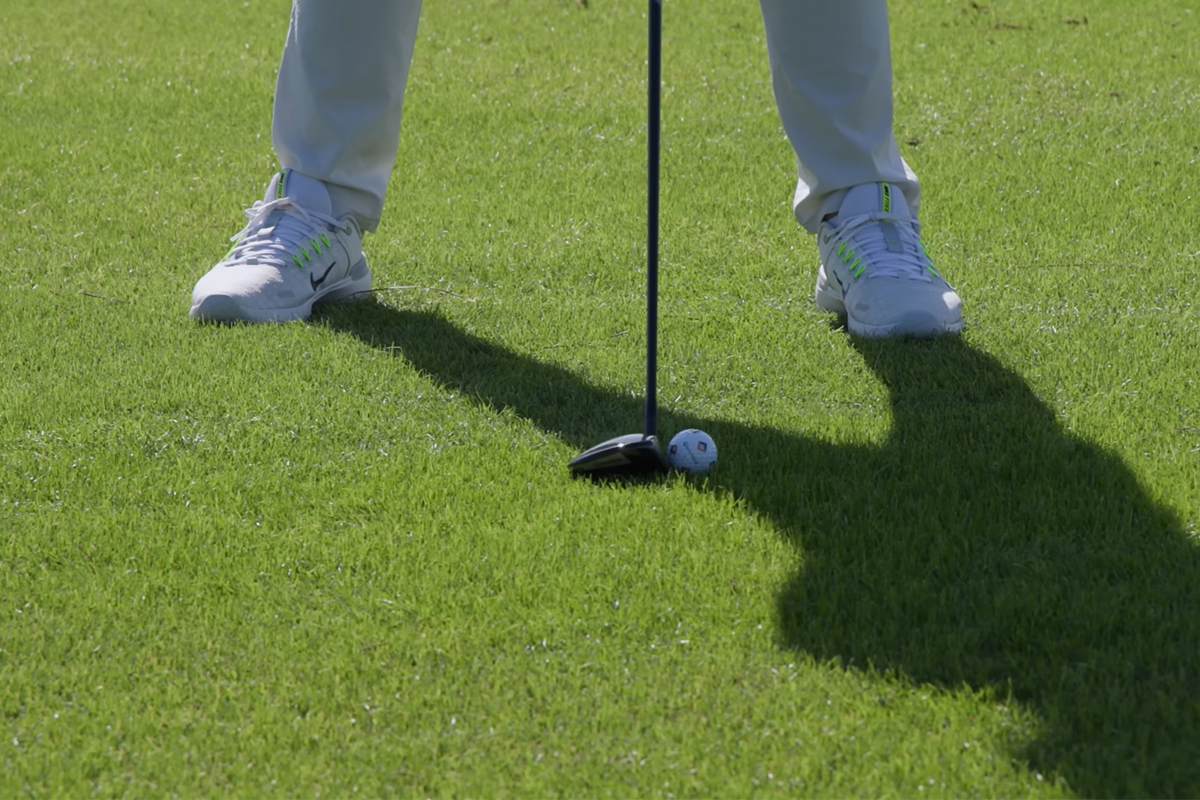
9 wood — the alternative to a 5 iron?
EQUIPMENT · KRITISCH GEPRÜFT 9er Holz — die Alternative zu Eisen 5? Auf dem Papier bringen 9er Holz und 5-Eisen ähnlichen Loft — in der Praxis produziert das Holz bei den meisten Senior-Golfern [...]
The 3-wood off the tee — when it beats the driver
TECH · 3-WOOD The 3-wood off the tee — when it beats the driver. For about 28 percent of men over 65, the 3-wood goes further than the driver — with better [...]

The 4-wood: the underestimated bridge
EQUIPMENT · KRITISCH GEPRÜFT Das 4er Holz — die unterschätzte Brücke Kein Hersteller wirbt für das 4er Holz. Es steht in kaum einem Werbeprospekt, kein Tour-Spieler pusht es. Genau deshalb ist es für [...]

48° Wedge - The Approach Specialist in the Senior Bag
EQUIPMENT · KRITISCH GEPRÜFT Das 48°-Wedge — der Approach-Spezialist. Das 48°-Wedge kann eine echte Approach-Lücke schließen — oder überflüssig sein. Alles hängt am Loft des vorhandenen Pitching-Wedges: In modernen Iron-Sets liegt der bei [...]
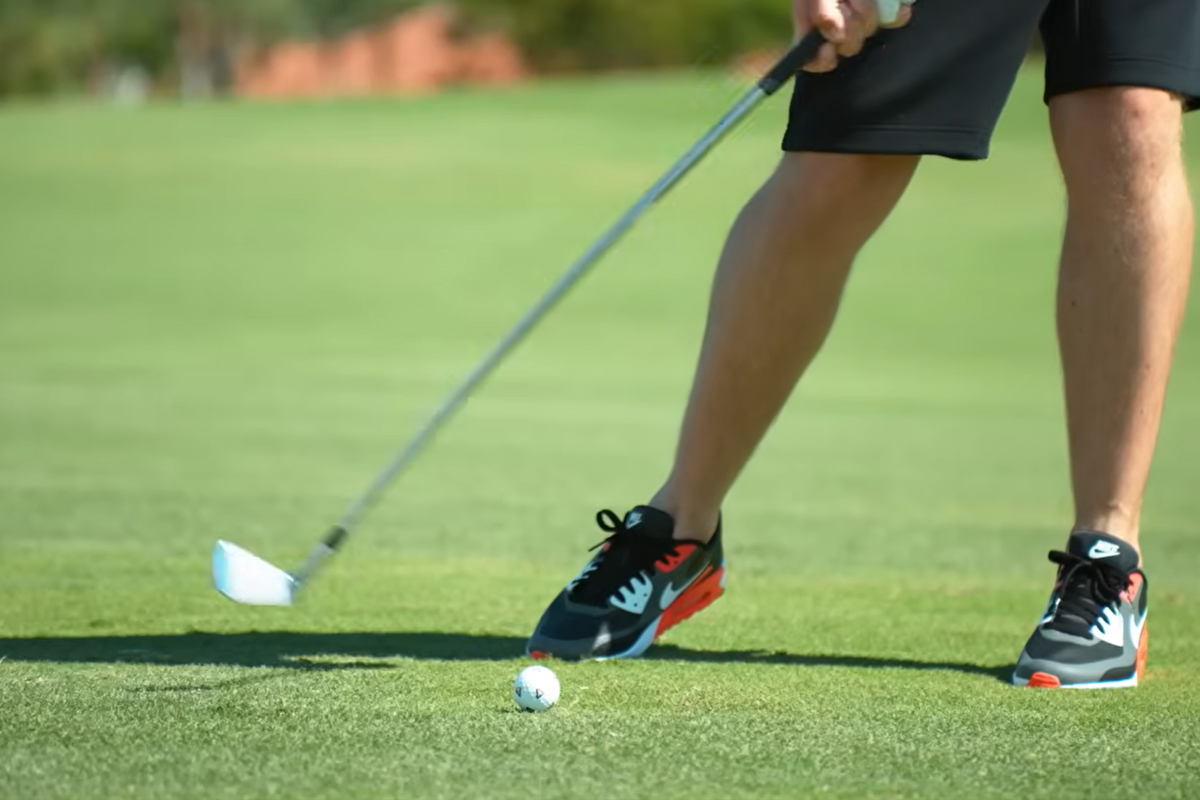
Iron 6 — the approach anchor in the senior bag
TECHNIC · IRON 6 Iron 6 – the approach iron in the senior bag. The 6-iron is the most reliable approach club for many senior golfers: 135 m carry, consistent dispersion, easy to play from the fairway and light rough. Three [...]

Tempo and Rhythm — Why 3:1 Isn't for Everyone
TECHNIK · KRITISCH GEPRÜFT Tempo und Rhythmus — warum 3:1 nicht für jeden passt. Das berühmte 3:1-Tempo-Verhältnis stammt aus einem einzigen Buch und einer sehr geschickten Vermarktung. Die Realität auf der Tour ist [...]
56° Wedge — Universal Wedge in Senior Bag
TECHNOLOGY · 56° WEDGE The 56° Wedge — The Universal Wedge in the Senior Bag. The 56° wedge (classic sand wedge loft) is the most versatile short-game club in the senior bag: bunkers, greenside chips, flop shots, short pitches. 55m full swing, many swing variations. Three applications that [...]

Setup Basics for Ages 60+ — Stance, Ball Position, Posture
TECHNOLOGY · SETUP Setup Fundamentals for Ages 60+ — Stance, Ball Position, Posture. 90 percent of all senior swing problems originate in the setup. Three fundamentals — stance width, ball position, posture — determine stability and striking consistency. What senior biomechanics truly [...]

Grip Variations — Vardon, Interlock, Baseball in Senior Comparison
TECHNIK · GRIP Grip Variants — Vardon, Interlock, Baseball in Senior Comparison. Three classic grip variants compete in senior golf: Vardon (Overlap), Interlock, and Baseball (10-finger). Which variant suits which senior type? What biomechanics truly says [...]

Thoracic Spine Mobility – The Underestimated Senior Distance Lever
TECHNOLOGY · THORACIC VERTEBRAE Thoracic Vertebrae Mobility — The Underrated Distance Lever. Thoracic mobility (thoracic spine) is crucial in the golf swing for the X-factor (shoulder-to-hip differential). After age 60, it declines by 8-15° without active work. Three exercises keep the senior thoracic spine [...]

Shoulder Rotation and X-Factor in the Senior Swing
TECHNIQUE · SHOULDERS Shoulder Rotation and the X-Factor in the Senior Swing. Shoulder rotation in the backswing, along with hip rotation, defines the X-factor – the most important distance-generating element in the swing. How senior golfers can optimize shoulder rotation despite declining mobility. [...]
 German
  English