MY SYSTEM · SENIOR GOLF DATABASED
From data point to better score
How to Lower My Handicap at 68 — Not Through More Balls, but Through Data-Driven Insights. Five Steps from 4,063 Range Shots, Three Years of Brassie Tracking, and a Marathon Background.
„Senior golfers don't get better by more Training.
You will get better through correct Training —
and ‚correct’ can only be determined through data.”
Why and how?
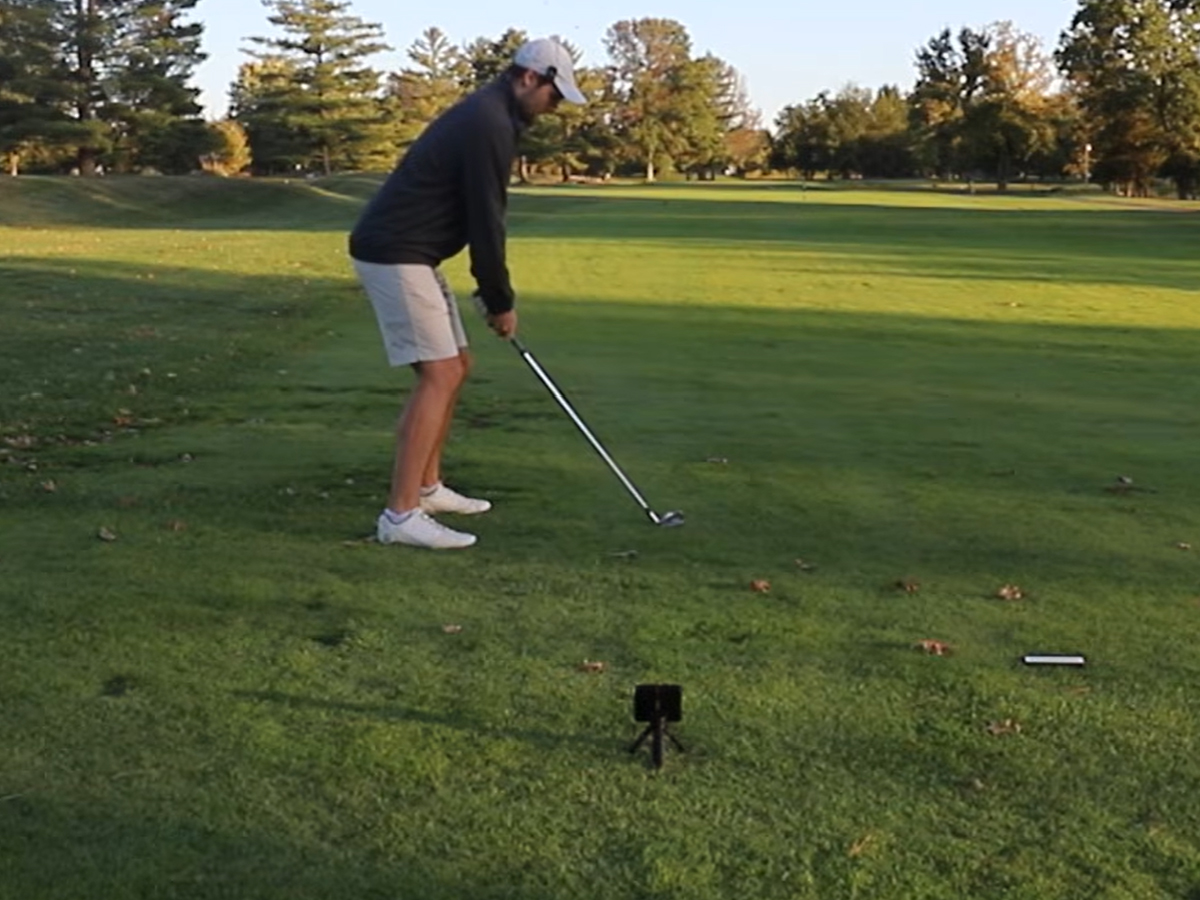
Once a week, I treat myself to a PRO training session. Every week, I'm asked: “So, how was it? What are we working on today?” – I always felt unprepared and overwhelmed.
- Where do I stand in the AK65 performance field?
- What weaknesses are particularly significant?
- What limitations must I accept?
- What is performance-based pay at age 68?
- What else can I achieve?
Why I measure
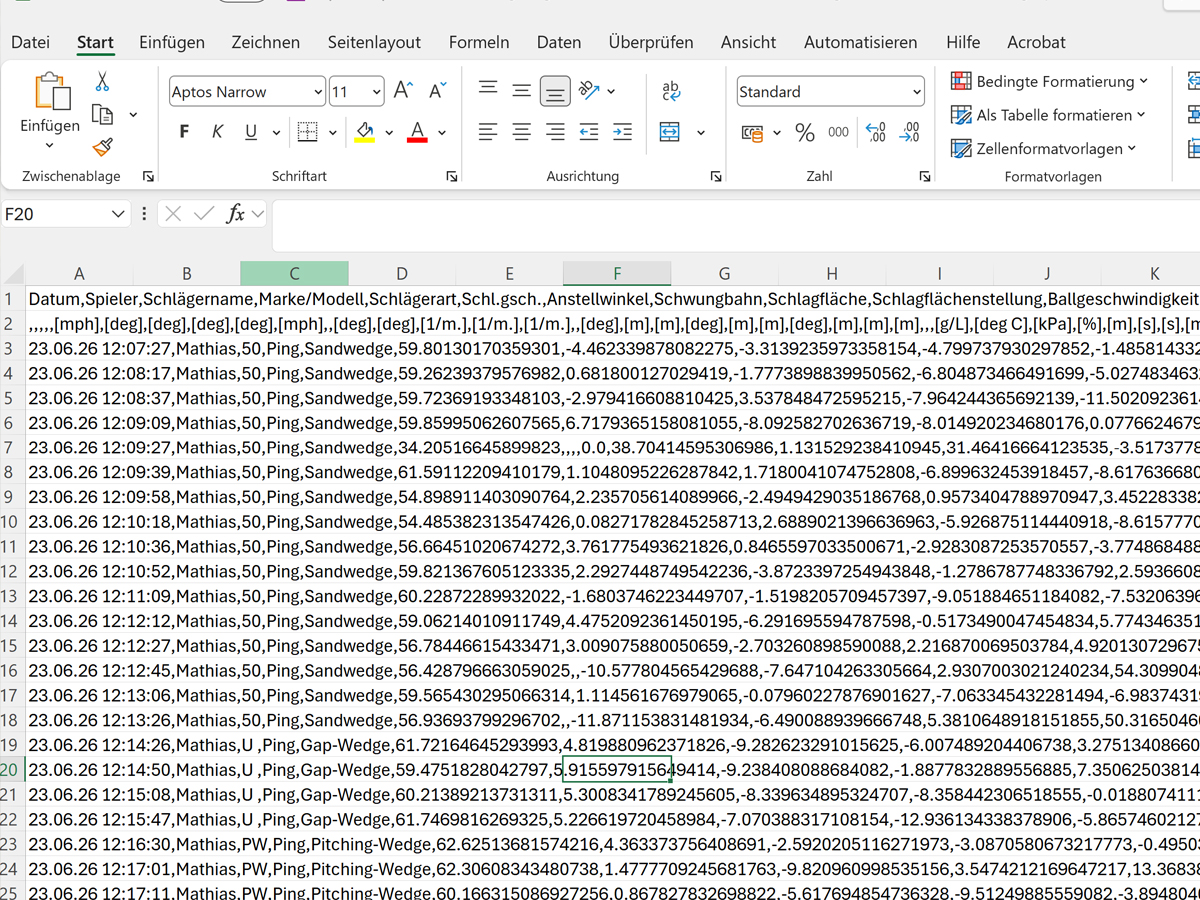
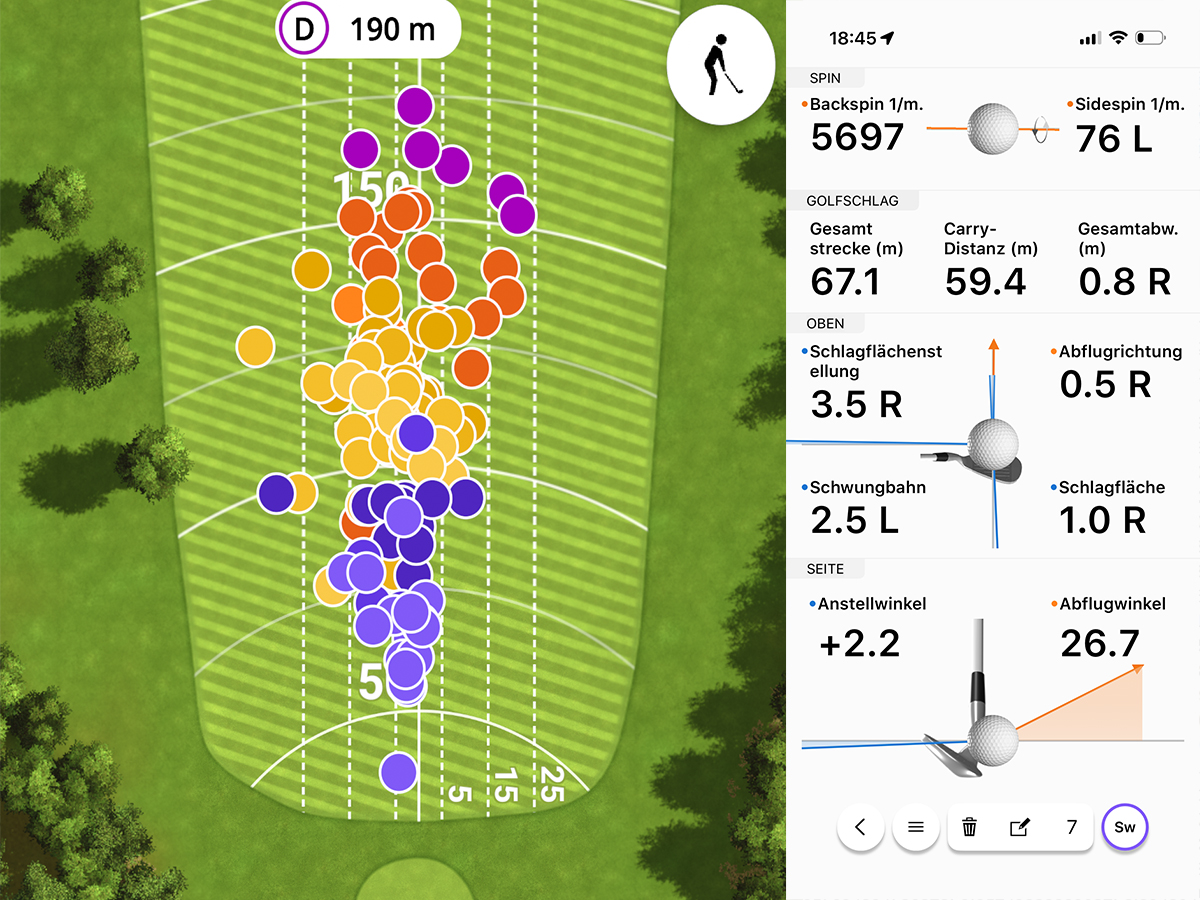
“You're coming from outside” – really? And the Trackman shows -12.5°. What could that mean? And the ball flew far, but always into the right rough – a slice, as I was told.
- How can I measure these values myself?
- What do I need to do to make a ball fly straight?
- What measurements are good and which are bad?
- What level of variation is still acceptable?
What is measured and how?
It quickly became clear to me that driving range practice swings differ dramatically from playing on the actual course. It was just a feeling, not factually proven.
- The real game, the tournament course, is the goal!
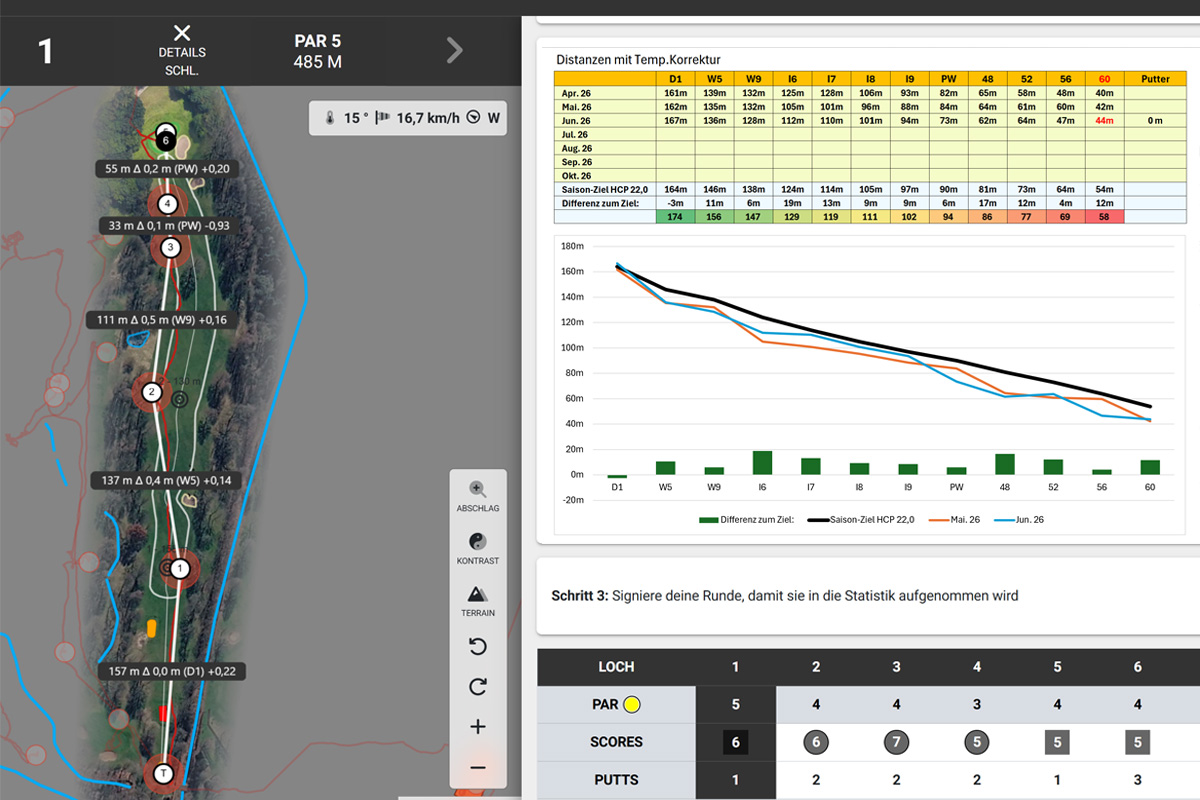
- How can I capture tournament data and broadcast data in a comparable way?
- What equipment do I need and how do I summarize the results?
- Can I derive training priorities from this?
In short: Yes, it works and offers amazing results.
Identify Improvements
Excel is always the first choice when it comes to numbers and facts. And that's exactly how I started. And it works perfectly, up to a certain point.
- Data comes from different sources.
- Some sources are very difficult to evaluate.
- The data allows for good insights to be provided to the PRO Trainer.
- The data show developments, strengths, and weaknesses.
- The data is important for club fitting, training sessions, etc.
In short: Yes, the data is very useful, it's work and it's fun.
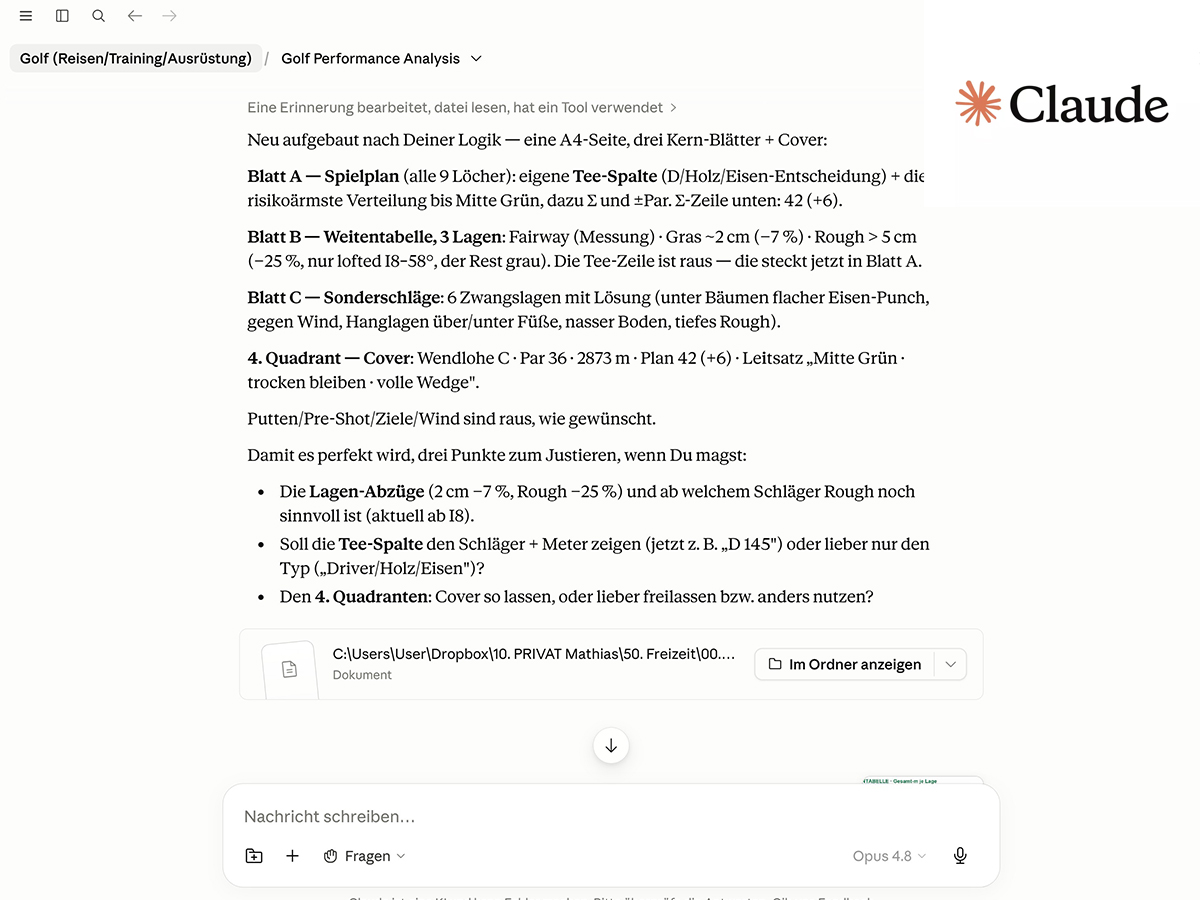
AI as an analysis tool
Here I am different from most senior golfers: I use Artificial intelligence as a data partner.
I'm giving my 4,063-line Excel + round data to Claude or ChatGPT with specific questions: „Which club has the least dispersion in the 80-120m range?”
Seconds based on my own data. The AI isn't smarter — it just has more patience for 4,063 lines.
How you get into my system
I'm starting from scratch
You need a launch monitor (R10 is sufficient), Bebrassie as a GPS tracker, and a simple Excel template.
I'm measuring, but I don't know what to do
Step 2 shows you the three most important evaluations for senior players — σ-consistency, Strokes Gained, Trend.
I'm training - but not seeing results
Step 4 shows you the pre/post-test setup, which yields honest answers—and protects you from self-deception.
I want the AI method
Step 5 contains the complete setup with the prompts that work specifically for me — Claude and ChatGPT for golf data.
What this system is NOT
No momentum coaching. I have a pro at the club for that. The AI doesn't see my right shoulder dipping on the backswing.
No equipment recommendation. Data tells me which of my clubs are performing well—not which new brand I should buy.
No cure-all. If I'm on the course with tennis elbow, no data analysis will help me. Then the "body first" rule applies: no competitive play.
The system is a tool, not a promise. It doesn't replace the pro, or talent, or physical conditioning. But it does replace guesswork.
A new analysis from my data every Sunday
Free, no ads, cancel anytime. Anyone who wants to understand „My System” gets a little more depth each week.
 German
  English