MAGAZINE SECTION
Rules and Handicap
Senior Golf Handicap Management: The World Handicap System 2024, Senior-Specific Rules of Golf, and Concrete Strategies to Maintain or Improve Your Handicap from Age 60. Data-Based According to DGV and USGA.
Why rules and handicaps must be played differently from 60
The handicap system is the invisible pillar of senior golf. It determines which flight you land in, whether you play in team competitions, and how your progress is measured. From age 60, additional aspects come into play: the senior tee regulation, the World Handicap System 2024, playing handicaps per tee box, and new course rating standards.
In this section, you'll find data-driven articles on all aspects of senior golf handicaps, from the right tee to four concrete levers that measurably save strokes starting at age 60. Sources include the DGV-Member Statistics 2024 USGA World Handicap System and Strokes-Gained analytics.
No marketing myths, no tour pro tips that don't work in your senior years – but concrete rule and strategy levers for your next handicap-qualifying round.
The Four Critical Levers for Senior Golf Handicap
Senior Tee Strategy - 200m shorter saves 2-3 strokes
At a driver speed of 75 mph, the senior or ladies„ tees (from 65 onwards) are mathematically the smarter choice. Course rating mathematics shows that 200 meters less distance on average corresponds to 2.5 shots better gross score. The pride of ”playing from the yellow tees" costs 5-8 handicap points per season. When to switch? As soon as your driver carry is under 200 meters – no exceptions.
2. EDS Strategy – Aiming for 8 to 12 rounds per season
EDS (Extra Day Score) rounds are the most important handicap lever—when used correctly. Best practice: 8–12 handicap-qualifying rounds per season, at least half of which on a familiar home course. Inform markers, score honestly, and consider slope and course rating. More than 15 EDS per year blurs the handicap signal—fewer than 6 systematically underhandicaps you.
3. WHS Optimization - Best 8 out of 10 rounds count
The World Handicap System 2024 calculates the handicap from the best 8 of the last 20 handicap-eligible rounds. Specifically: pushing a weak round out of the pool, catching up three stable good rounds – the handicap drops by 1.5–2.5 points. Important: check the Course Rating and Slope of the tees played, as they critically scale the gross score in the handicap calculation.
4. Pace of Play — 4 hours for 18 holes as a target marker
Senior players are often perceived as slow on the course – usually unfairly, but when it does happen, it costs mental points for your own round. Rule of thumb: a maximum of 4 hours for 18 holes, a clear pre-shot routine (max. 30 seconds), ball search up to 3 minutes (WHS standard, not 5). Ready golf instead of honor – expressly permitted in team play.
Frequently Asked Questions about Senior Golf Handicap
When should I play from the senior tees?
Once the driver carry is under 200 meters or the HCP tendency has been rising for three seasons. The math is clear: shorter is better when swing speed drops below 80 mph. Pride costs measurable HCP points.
How many EDS rounds per season are reasonable?
8-12 handicap-qualifying rounds, spread throughout the season. More dilutes the handicap signal; less is insufficient for a stable WHS calculation. Important: honest scoring, otherwise the index will only reflect one's own wishful thinking.
What happens to my HCP on a bad round?
A single bad round will worsen the handicap index by a maximum of 5 strokes (cap rule in WHS 2024). Outliers on the higher side are weighted less than improvements—the system is designed for consistency.
Senior Tees in a team match — what are the rules?
In DGV team play, the following applies: Age group 65+ may play from shorter tees, and handicaps will be adjusted accordingly. Important: Check before the tournament which tees are currently approved for your own age group – local tournament committee regulations may vary.
Below you will find all posts in this category — sorted by recency.

Costa del Sol – Spain's Sun Coast for Senior Golfers
DESTINATION · COSTA DEL SOL Costa del Sol — Spain's Sun Coast for Senior Golfers. 70 golf courses along 150 kilometers of coastline, an average of 300 sunny days, three airports within reach: The Costa del Sol is Europe's number one senior golf destination. What makes it [...]

Rent Equipment On-Site vs. Bring Your Own
GOLF TRIPS · RENTAL Renting equipment on-site vs. bringing your own. Should you bring your own clubs or rent them on-site? Rental rates at premium resorts start at 40 € per day — costs for bringing your own equipment vary. When renting is worth it, when bringing your own is the better choice, and which [...]

Senior-Friendly Striking Technique — What Changes After 60 (and What Doesn't)
TECHNOLOGY · SWING Senior-friendly swing technique — what changes after 60 (and what doesn't). The classic golf swing is not unsuitable for seniors. But after 60, it requires three structural adjustments that hardly any coach explicitly makes. What biomechanics [...]
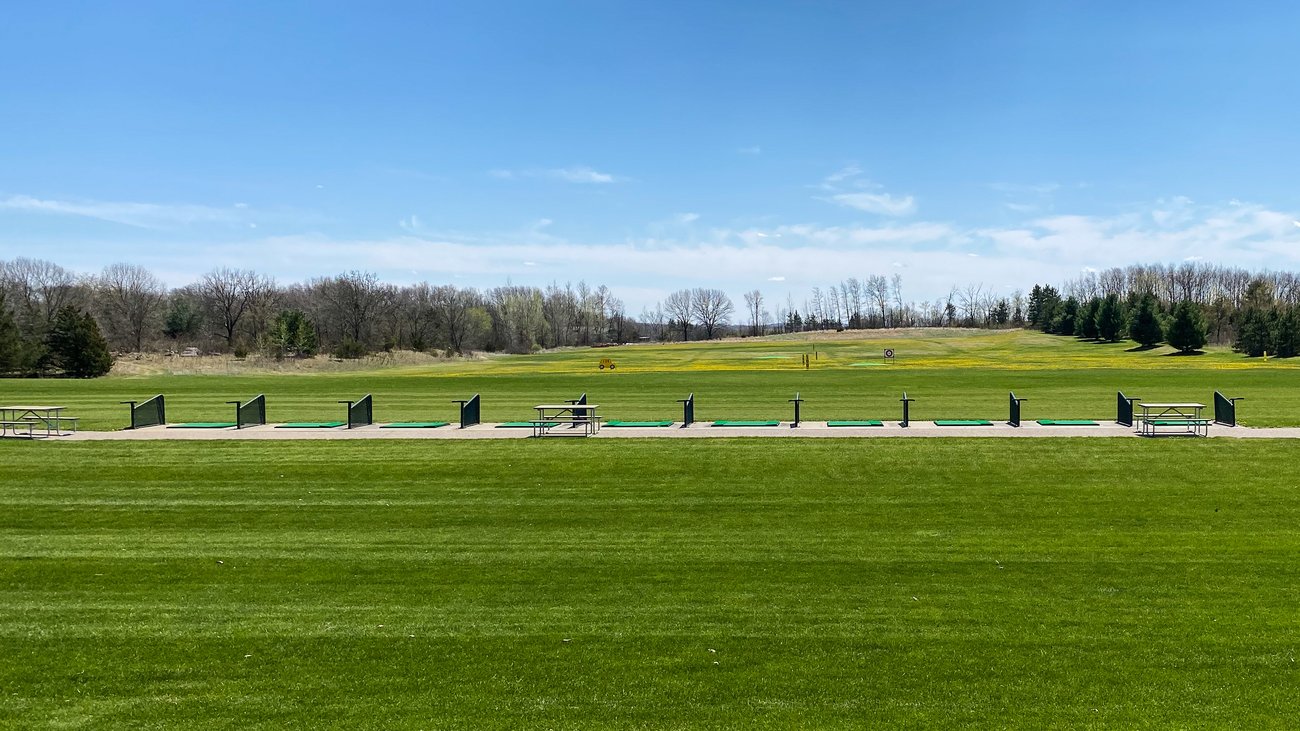
Body-First Training — MyTPI for the Senior Golfer
TRAINING · BODY Body-First Training — MyTPI for the Senior Golfer. Mobility before mechanics, mechanics before strength. The MyTPI methodology from the Titleist Performance Institute identifies physical limitations that hinder senior swings — and provides the order in which they should be addressed.

Swing speed from 60 — what SuperSpeed really brings
TRAINING · SPEED Swing speed from 60 — what SuperSpeed really delivers. Realistic gains are +2 mph clubhead speed after 6–8 weeks of SuperSpeed training — that equates to 5 to 8 more yards of carry and less than 0.5 strokes per round. Efficiency [...]

Short Game Routine — 60 percent of practice time on the practice green
TRAINING · SHORT GAME Short-Game Routine — 60 percent of practice time on the putting green. Senior golfers who maintain their handicap practice the short game 55 to 65 percent of the time. Senior golfers who are losing ground spend 15 to 25 percent. One hour on the [...]

Launch Monitor Hour — The Biggest Single Lever
TRAINING · DATA Launch Monitor Hour — the biggest single lever. Senior golfers typically overestimate their carry distances by 10 to 15 percent. A single launch monitor hour often corrects 5 to 6 misjudged clubs in the bag — making it the most cost-effective [...]

Three Units a Week — Why Recovery Methodology Is
TRAINING · DOSAGE Three units per week — why recovery is crucial. For players over 60, wedges and fine motor skills are the first to suffer from fatigue. Three carefully dosed units per week with a clear focus are more effective than six hours without a plan. Recovery [...]

Course Management from 65 onwards - When the 3-Wood Wins
STRATEGY · BAG SETUP Course Management for 65+ – When the 3-Wood Wins. USGA Data on 65+ Performance: For 28 percent of players, the 3-wood travels further than the driver. Despite this, 95 percent use the driver off the tee. The [...]
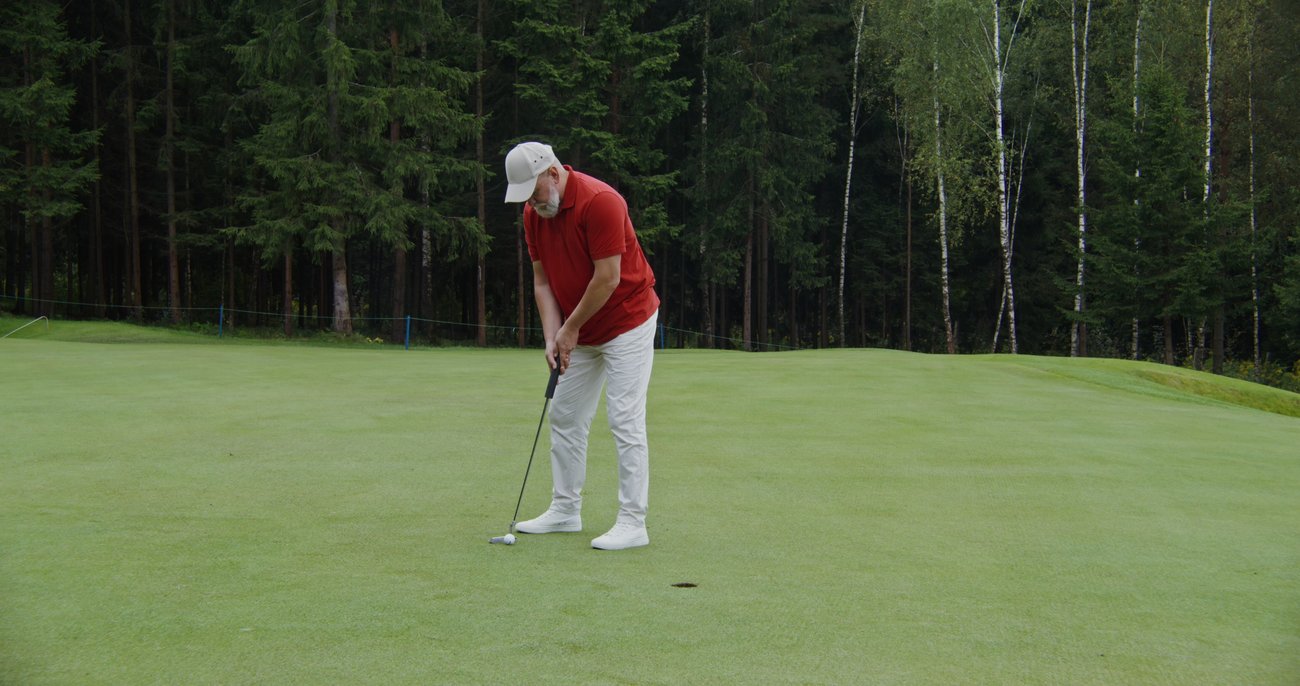
Putten from 60 onwards - the only senior advantage
STRATEGY · PUTTING Putts from 60 – the only senior advantage. Strokes-Gained-Putting on the PGA Champions Tour (50+) has been consistently higher than on the regular PGA Tour for ten years. Putting is the only area of golf where [...]
How Wedges Can Save Your Score
STRATEGY · SHORT GAME The Underestimated 60 Yards — How Wedges Can Save Your Score. Wedges between 30 and 80 yards, plus putts, determine about 60 percent of the senior golfer's score — but only receive 15 to 25 percent of the [...]

Senior-Tees is math
STRATEGY · TEE SELECTION Senior tees aren't a chore — they're math. Only one-third of men over 65 switch from the white tees to yellow or red. The other two-thirds lose 4 to 7 strokes per round — [...]
 German
  English